Mosaic and Partners Pioneer New Approach to Florida Scrub-Jay Recovery
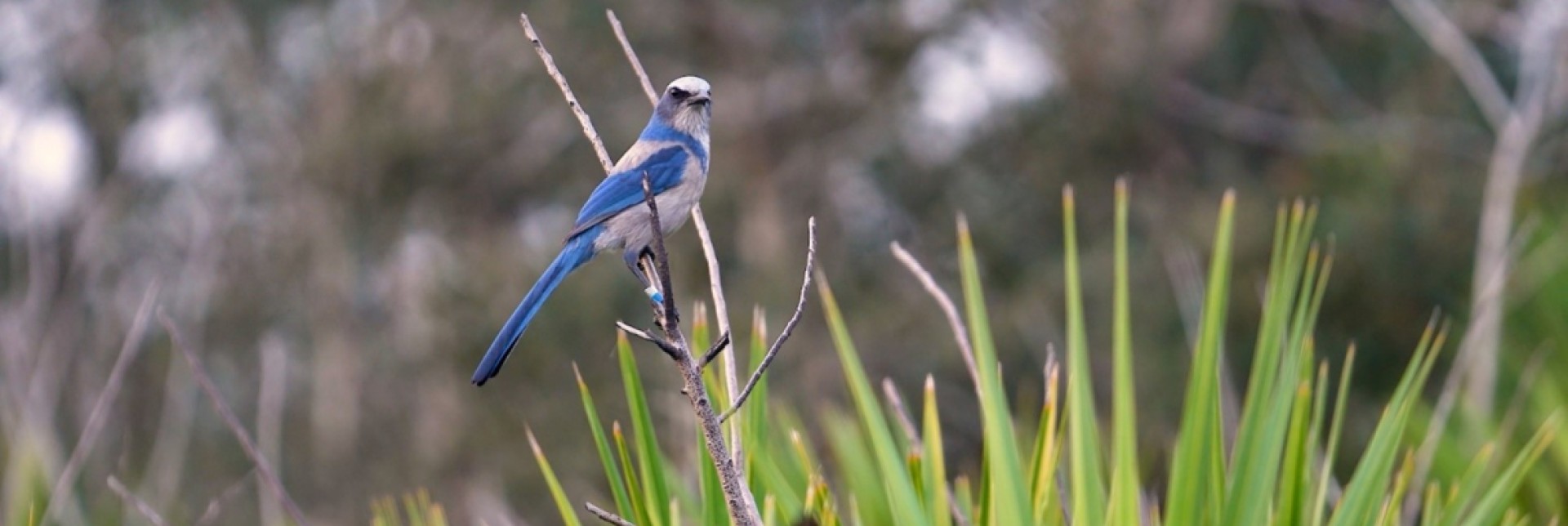
Found nowhere else on Earth and known for its bright blue-and-white features, the Florida Scrub-Jay is the state's only endemic bird species.
After losing an estimated 90 percent of its population due to loss or degradation of scrub habitat, the species is at risk. Only seven regions across Florida have enough interconnected scrub habitat to allow populations to be large enough to survive long term.
However, thanks to a collaborative effort between The Mosaic Company and conservation partners, the future of the Florida Scrub-Jay in one region is showing signs of improvement. For more than 25 years, researchers, biologists and wildlife experts from Mosaic and partner organizations have worked to better understand the Florida Scrub-Jay and identify ways to grow a population in Manatee County, known as M4.
“At Mosaic, environmental stewardship means taking a long-term view of the landscapes we manage and the species that depend on them,” said Dr. Boughton. “The early success of this translocation reflects more than 25 years of studying and monitoring efforts to grow the regional Florida Scrub-Jay population. Insights from translocations conducted between 2003 and 2010 helped us refine our approach, while genetic diversity studies showed there was even more we could do to support the species’ recovery.”
Connecting Populations
In January, researchers successfully relocated 48 Florida Scrub-Jays from three regions of the state to strengthen genetic diversity and improve the long-term health of the M4 population. Researchers selected 48 young birds entering their first breeding season to study and give the best opportunity to establish territories, choose mates and integrate together.
The team translocated 16 birds from Duette Preserve in Manatee County, 16 birds from a population near Cape Canaveral on Florida's east coast, and 16 birds from Archbold Biological Station south of Lake Placid to Wingate Creek State Park in Manatee County in January 2026.
All 48 birds survived the initial move and are being closely monitored. Researchers have already observed nesting activity during the birds' first breeding season in their new locations at higher levels than expected. This project marked the largest single translocation of Florida Scrub-Jays to ever occur.
“We want to follow them over the next two to three years and see if we can retain those same pairs on site having future generations producing offspring and that's the success there,” said Todd Mecklenborg, Wildlife Biologist, U.S. Fish & Wildlife Service. “This might be a new innovative approach on how we approach areas where the numbers are way down or we want to build up a more resilient population.”
Habitat Reclamation Was Key
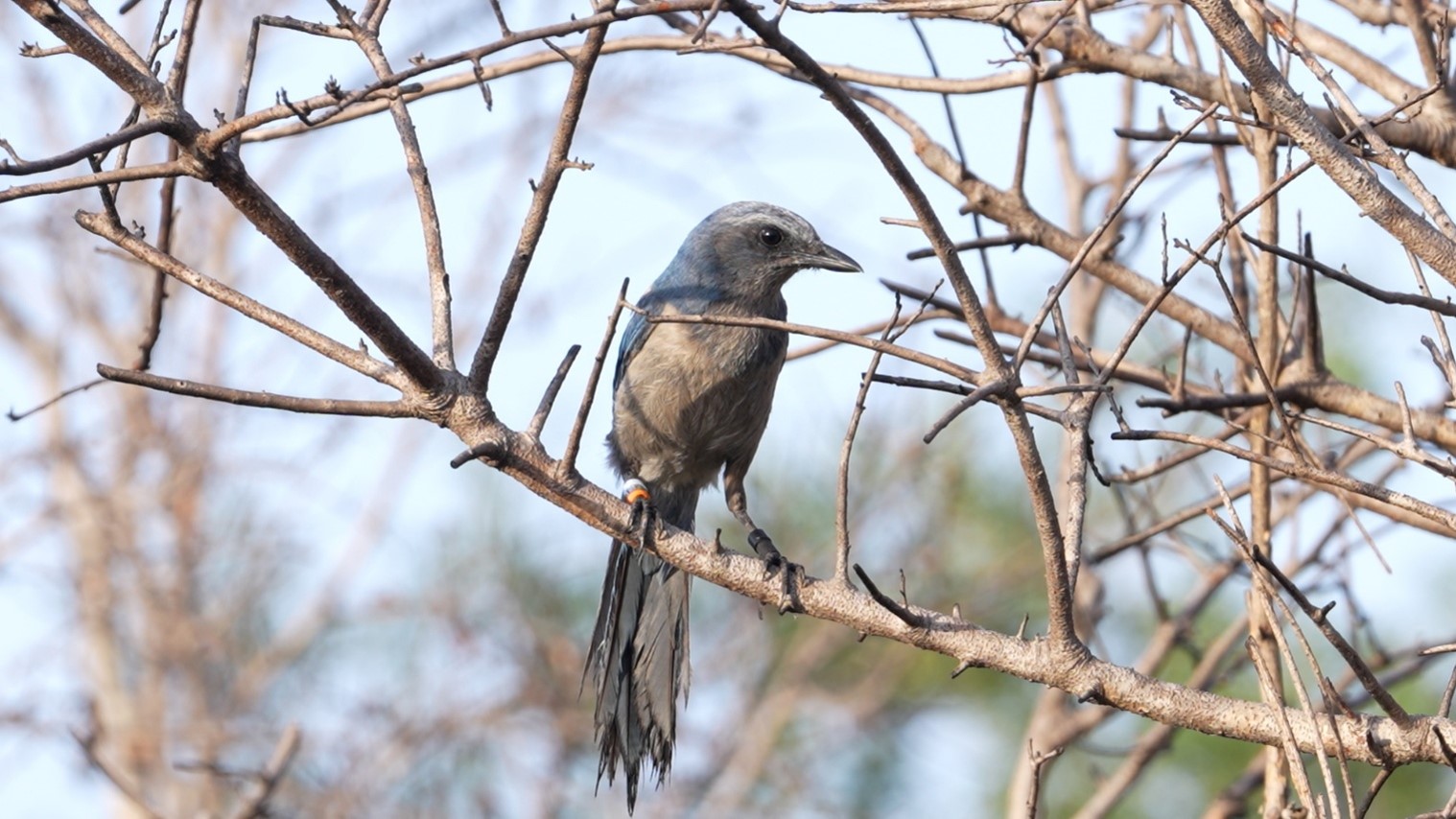
The Florida Scrub-Jay lives in the state's rare scrub habitat. Mosaic has spent more than 25 years leading efforts to protect one regional population of the Florida Scrub-Jay by working with government agencies, scientists and conservation partners.
Mosaic helped build a regional approach that restores critical scrub habitat, an ecosystem increasingly impacted by development and fire suppression, and has significantly increased the scrub-jay population through those efforts.
“This study not only highlights the progress we've made but also informs future strategies to further enhance the genetic health of translocated populations,” said Dr. Boughton. “It's an example of how responsible land management can go hand-in-hand with conservation, benefiting biodiversity while allowing for sustainable development.”
Mosaic-supported research shows that Florida Scrub-Jay population growth alone isn't enough. Genetic diversity is critical to long-term survival. This translocation effort is expected to improve the population's genetic diversity in the M4 population, a key factor in long-term survival.
“Small populations are really vulnerable to lots of different environmental effects,” said Lauren Deaner, Ph.D. Candidate, University of Central Florida. “You're constantly fighting those environmental factors in order to try to bring up population numbers but also increase the genetic diversity, and that's what we are doing here.”
Working Together
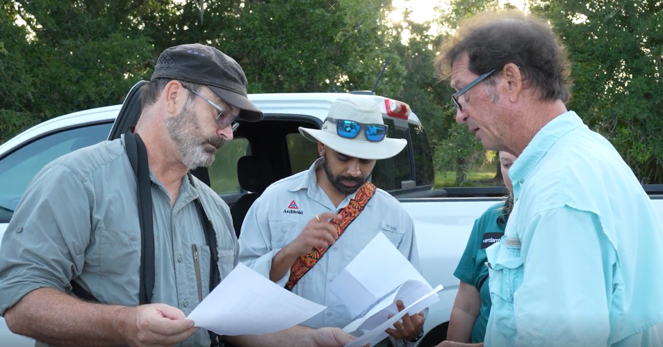
The project represents a significant collaboration among public and private partners, including The Mosaic Company, the U.S. Fish and Wildlife Service, Verdantas, the University of Central Florida and Archbold Biological Station.
Regional contributions from Manatee County, Southwest Florida Water Management District, Florida Department of Environmental Protection, Florida Fish and Wildlife Conservation Commission and regional land managers were also instrumental in preparing and maintaining suitable habitat conditions.