From Reclaimed Lakes to Rescued Manatees: Mosaic and ZooTampa Partner for a Florida-Friendly Solution
At Mosaic, helping the world grow the food it needs goes hand in hand with responsible environmental stewardship. A new partnership with ZooTampa is bringing those commitments together in an unexpected way, connecting the management of an invasive aquatic plant in reclaimed lakes with the care and rehabilitation of Florida manatees.
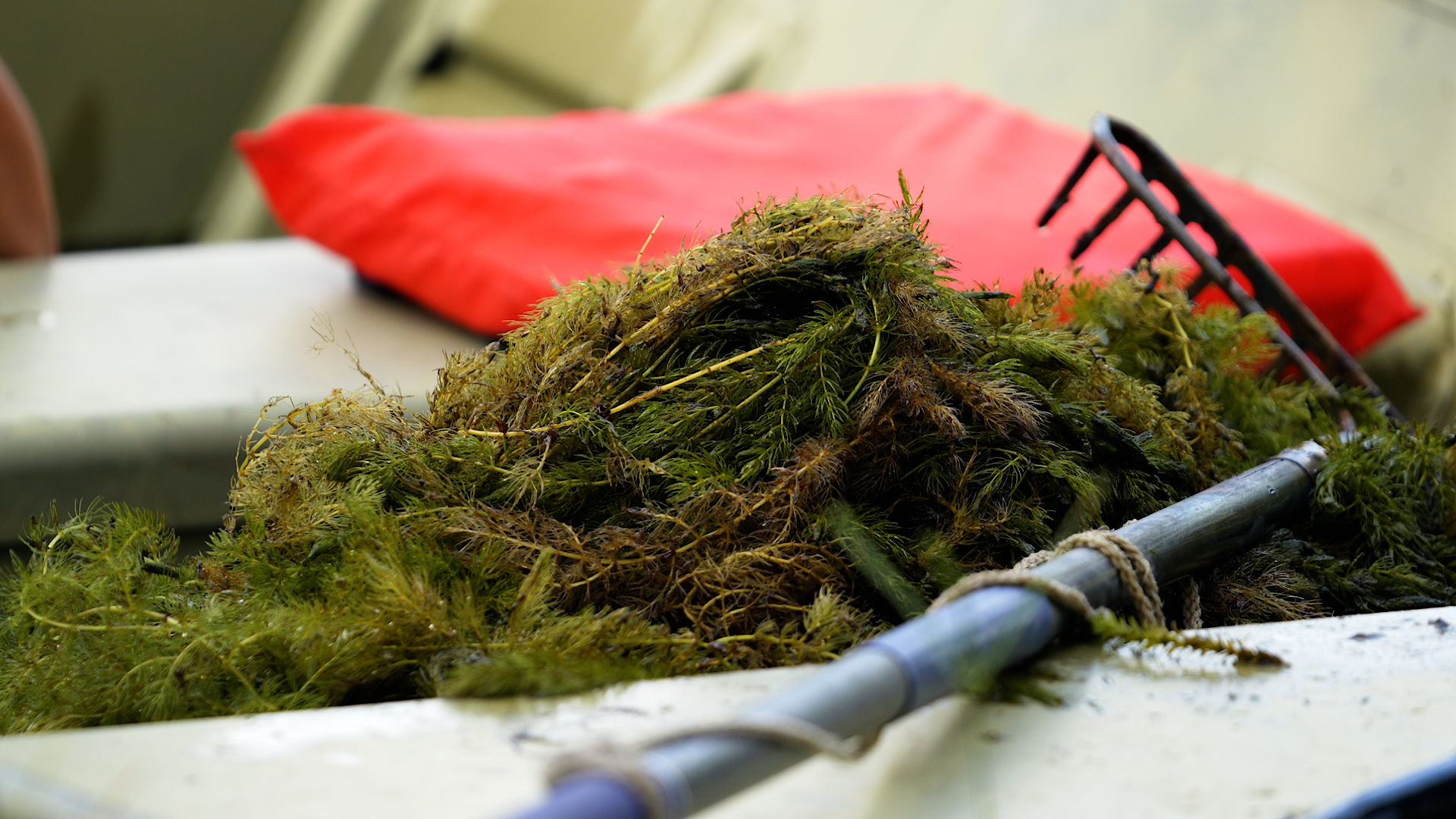
Hydrilla, a fast-growing invasive aquatic plant, can create challenges in lakes and waterways by crowding out native vegetation. At the same time, it is one of many aquatic plants that manatees naturally eat in the wild. For the manatees receiving care at ZooTampa's David A. Straz, Jr. Manatee Critical Care Center, hydrilla is already a familiar part of their natural diet.
That connection sparked an innovative collaboration between Mosaic and ZooTampa that benefits both organizations and the animals they serve.
Turning a Challenge into an Opportunity
The partnership began as an extension of the longstanding relationship between Mosaic and ZooTampa.
"A lot of it started with our Public Affairs team reaching out through a partnership we already had with ZooTampa," said Carson Ciavardone, Land Use Specialist – Mosaic. "From there, we brought them out for site tours so they could see our lakes and help identify exactly what would work best for the animals in their care."
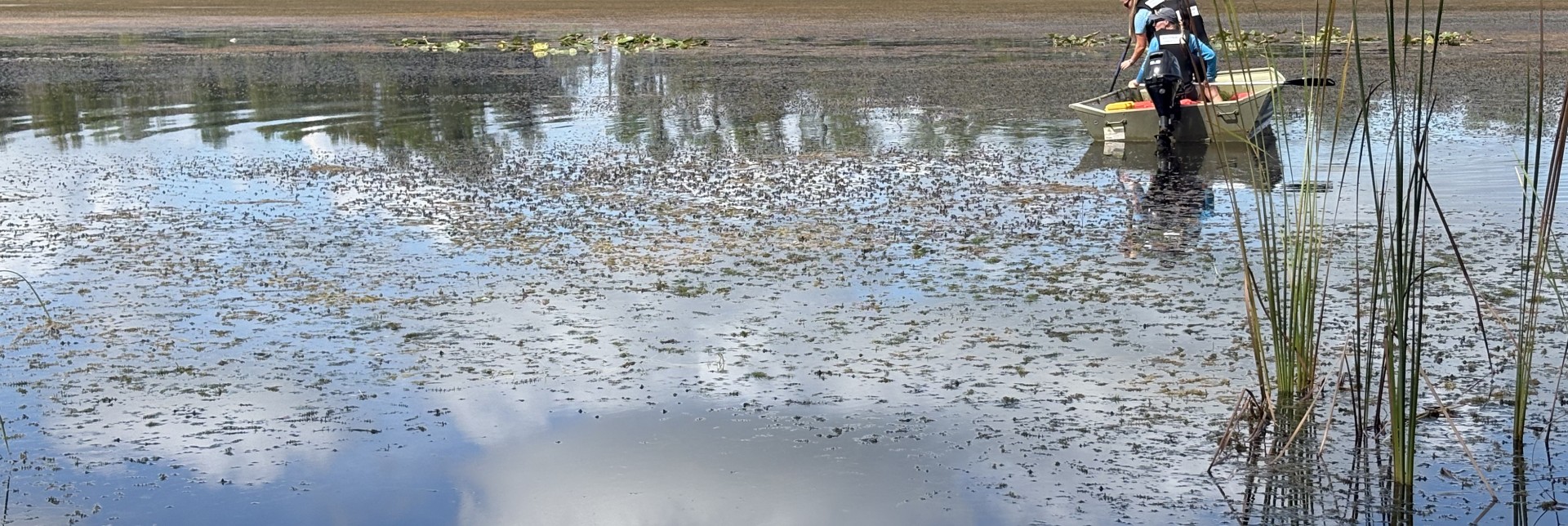
Thanks to the partnership, hydrilla harvested from Mosaic-managed reclaimed lakes is collected and transported to ZooTampa, where it becomes part of the diet for manatees undergoing rehabilitation.
"Mosaic takes stewardship of our water resources very seriously," said Ciavardone. "To see a project like this come together and create benefits beyond our sites is incredibly rewarding. We're excited about the partnership and the opportunity to continue it into the future."
Helping Manatees Prepare for Life in the Wild
For ZooTampa's animal care team, access to naturally occurring aquatic vegetation is an important part of preparing manatees for their eventual return to Florida waters.
"One of the things we do in our manatee program is collect natural diet items," said Tiffany Burns, Sr. Director of Animal Programs – ZooTampa. "Mosaic provided an opportunity for us to come to their ponds where hydrilla is growing. Not only is it beneficial for them to remove an invasive species, but it helps us provide that natural food source to the manatees."
The hydrilla is not the animals' sole source of nutrition, but it plays an important role in rehabilitation.
"The hope is always to send these animals back home," said Burns. "We feed other types of lettuce and vegetation as part of their diet, but hydrilla serves as a supplement that helps their systems get used to a natural food source."
That is especially important for young or orphaned manatees that may have spent much of their lives in human care.
"We want them to recognize hydrilla as food when they return to the wild," explained Burns. "We want their bodies to be accustomed to it and for them to know what to look for once they're back in their natural habitat. Finding places where we can collect hydrilla is really important for us."
Reclamation That Creates Lasting Value
The partnership is also another example of the long-term value created through Mosaic's reclamation efforts.
In Florida, reclamation begins as mining activities move across a site and continues until the land is returned to a productive use. Working closely with state and federal regulators, Mosaic restores former mine lands into landscapes that support agriculture, wildlife habitat, conservation areas, recreation and water resources.
Many reclaimed properties include lakes, wetlands, streams and uplands that provide habitat for fish, birds and other wildlife. These landscapes continue serving communities and ecosystems long after mining is complete.
Managing reclaimed lands also means addressing invasive species when they are present. In this case, removing hydrilla from reclaimed lakes creates healthier aquatic environments while supporting wildlife conservation beyond Mosaic's operations.
Supporting a Shared Mission
The partnership demonstrates how creative collaboration can turn an environmental management need into a meaningful conservation opportunity.
For Mosaic, hydrilla removal supports responsible management of reclaimed water resources. For ZooTampa, it provides an important natural food source for manatees in rehabilitation. And for the manatees, it helps them develop the familiarity they need to thrive when they return to the wild.
It's a simple idea with a meaningful impact: an invasive plant removed from a reclaimed lake becomes part of the recovery journey for Florida's iconic marine mammals, creating benefits for wildlife, conservation and the environment along the way.